
Short-roping is often considered an art, but in field training it is a disciplined exercise in continuous risk mitigation and footwork precision. Managing a client or partner on moderate 4th-class terrain requires maintaining tight physical feedback without restricting their natural motion. A single moment of slack can turn a minor stumble into a team fall.
Maintaining Active Coils and Immediate Lock Off
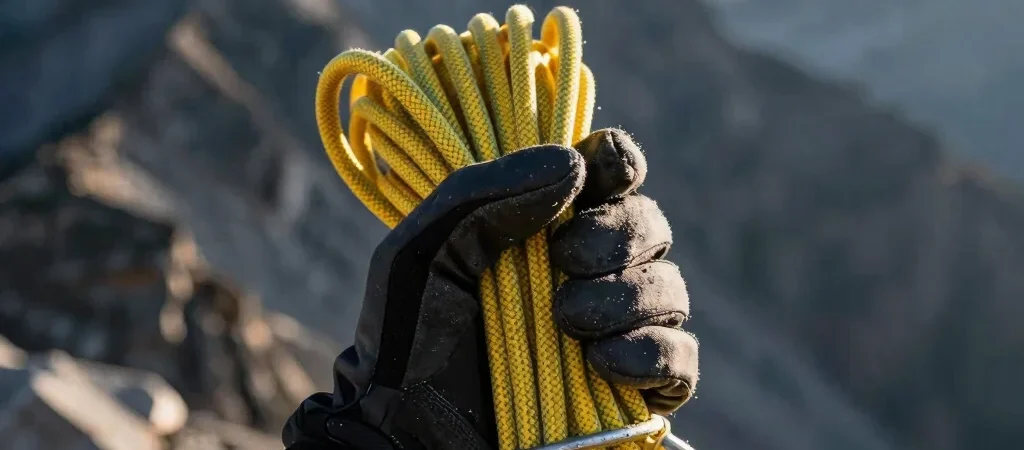
Holding three to four chest coils securely with a quick-locking hand grip allows the leader to adjust working rope length on the fly. Shortening the rope on steep sections keeps the follower right at hand where a slip can be caught instantly. Lengthening it on flat terrain restores walk cadence without wasting precious time.
Positioning Relative to Slope and Fall Lines
The guide must always occupy the superior stance relative to potential fall lines on scree or frozen turf. Moving slightly above and behind the follower during ascents provides maximum leverage to brace against sudden weight changes. When crossing exposed steps, utilizing natural granite horns for quick directional hitches adds substantial security.
Knowing When to Transition to Fixed Anchors
Short-roping has strict limits, and pushing those limits on vertical or loose rock is a dangerous mistake. Recognizing the exact threshold where terrain demands pitching out a pitch with removable gear separates good judgment from recklessness. Safety speed comes from fast transitions, not from taking unnecessary terrain risks.