The wind on the high ridge line does not forgive small tactical oversights. During a recent twelve-hour traverse meant to test guide-pace efficiency, several minor errors compounded into significant delays. Writing down what failed in the field is the fastest way to refine judgment for future guide examinations.
The Heavy Cost of Overpacking Camming Devices
Carrying a double set of medium cams on low-angle granite proved entirely unnecessary and weighed down the lead climber. A streamlined rack of nut stoppers and alpine slings would have provided equal protection while preserving energy over three thousand feet of scrambling. Light packs directly translate to faster movement and safer margins.
Managing Extreme Rope Drag on Serrated Granite
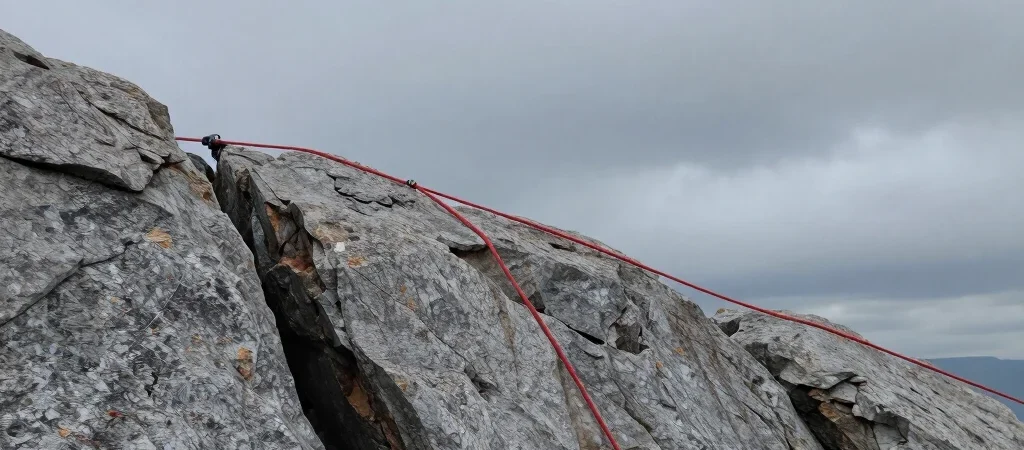
Failing to extend runners across sharp granite blocks created exhausting rope drag mid-pitch. The friction slowed the second climber and made subtle feel on the belay device almost impossible. Using long shoulder slings to keep the line straight is a basic habit that requires discipline on every single placement.
Refining Non Verbal Signals in High Winds
Gale-force gusts on the exposed arête rendered shouted commands completely useless. The team lost fifteen minutes clarifying whether the leader was off belay or simply building an anchor. Establishing clear tug protocols on the rope before entering windy sections eliminates guesswork when voice communication breaks down.